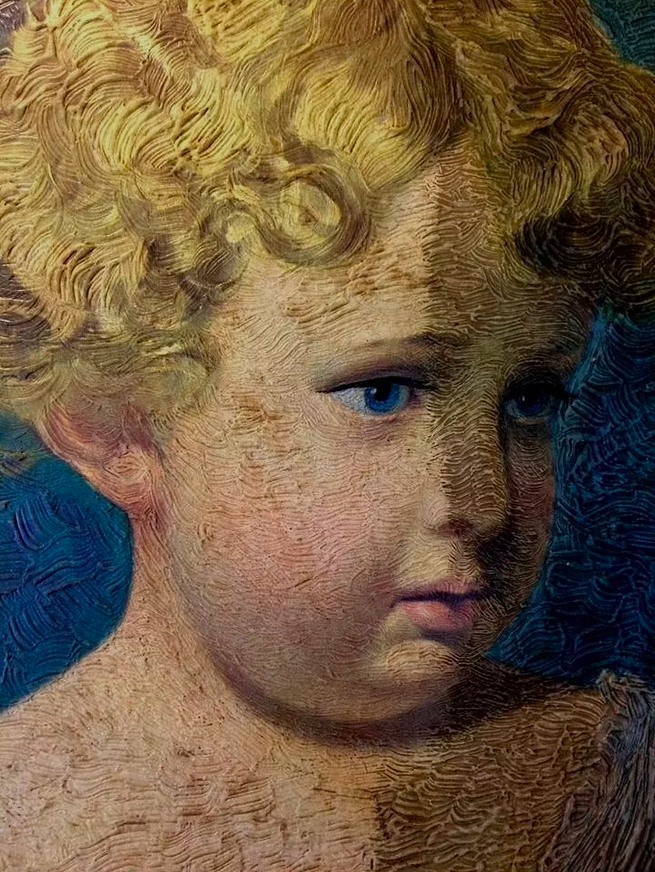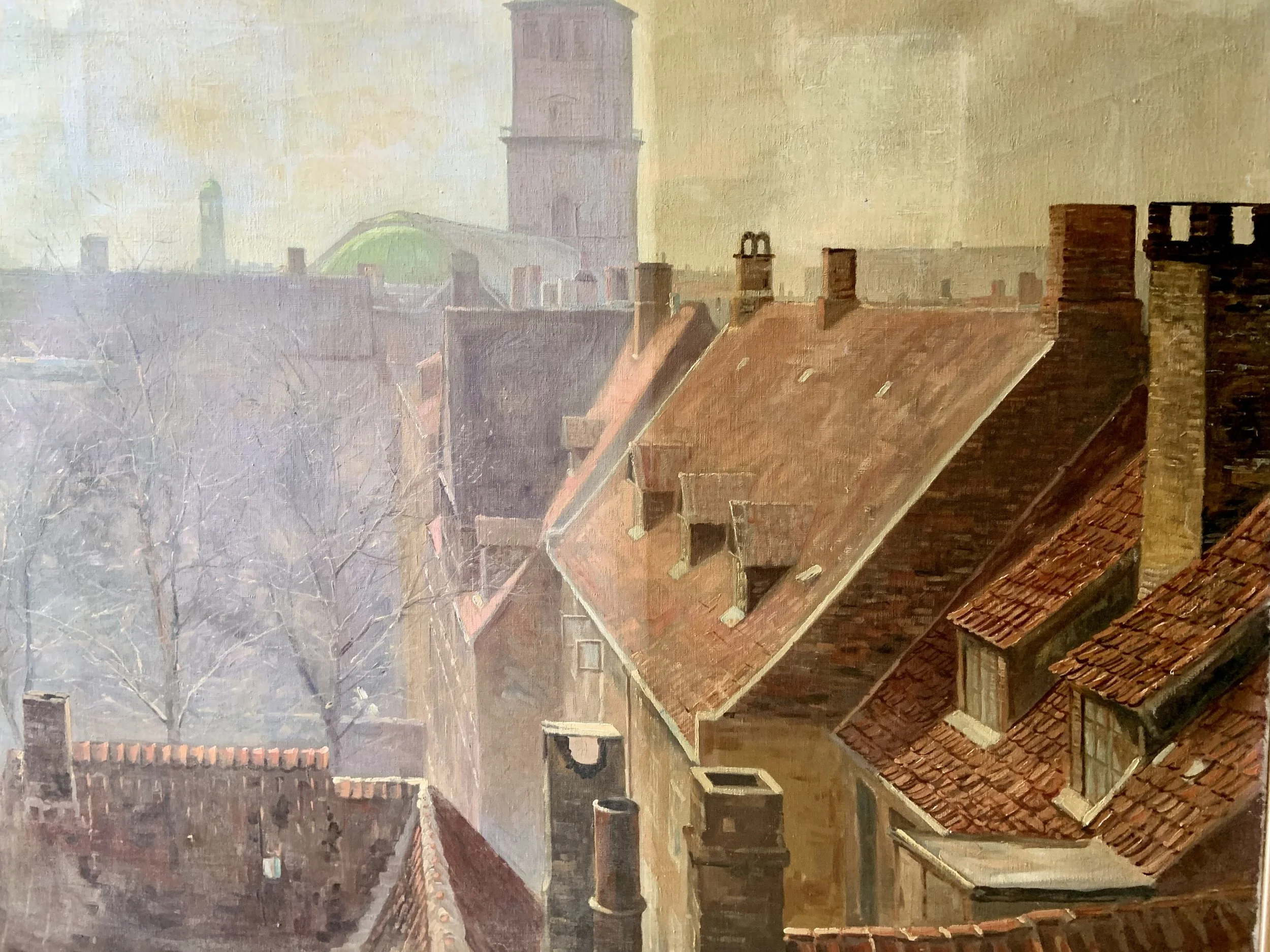
PAINTING RESTORATION IN COPENHAGEN
-
Anything of value needs a loving hand – it must be cared for, maintained, and ultimately repaired.
Paintings often endure a lot, being exposed to temperature fluctuations, varying humidity, dust, insects, and more.
I have been fortunate to undertake conservation projects on paintings by world-renowned artists:
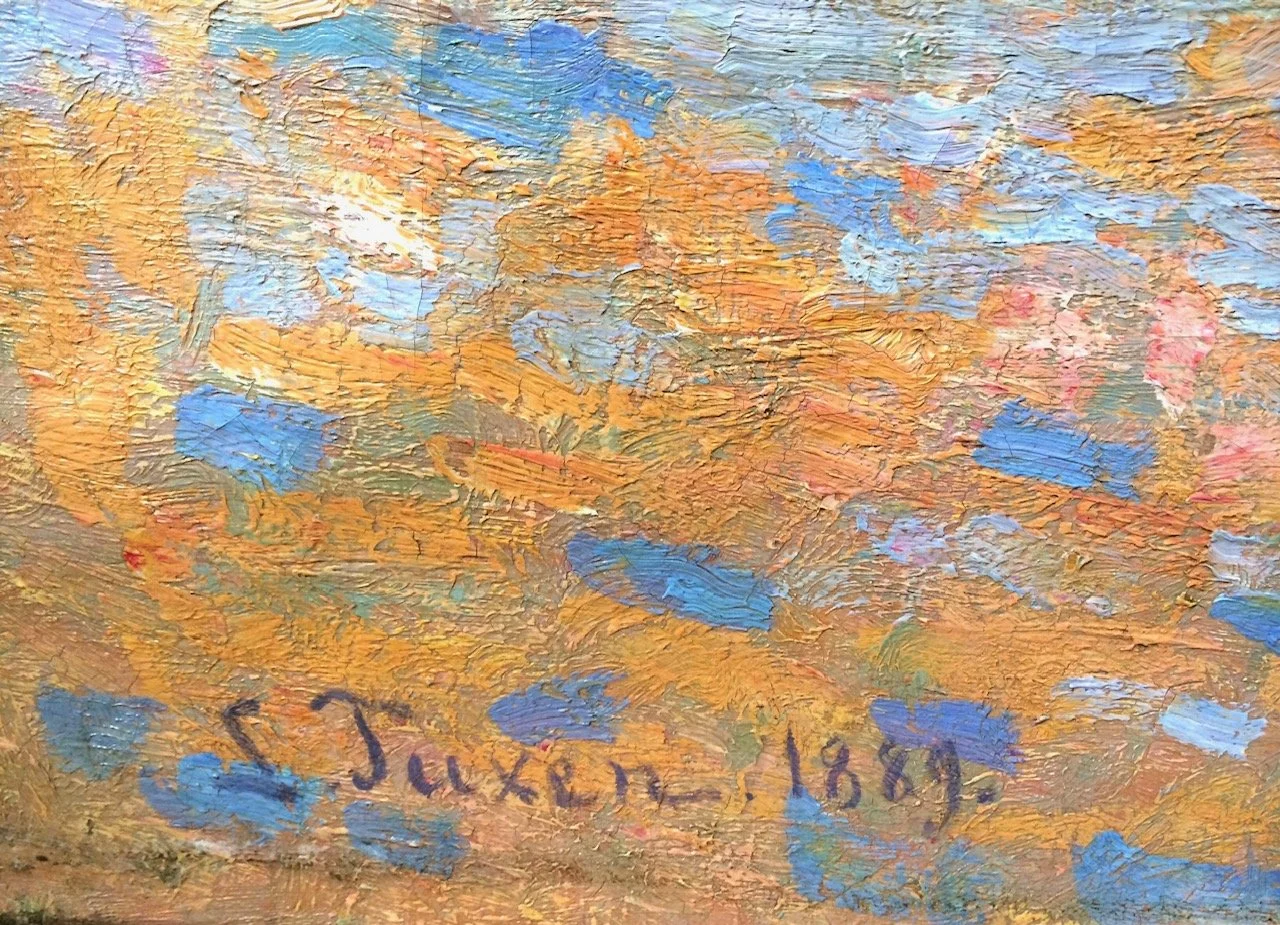
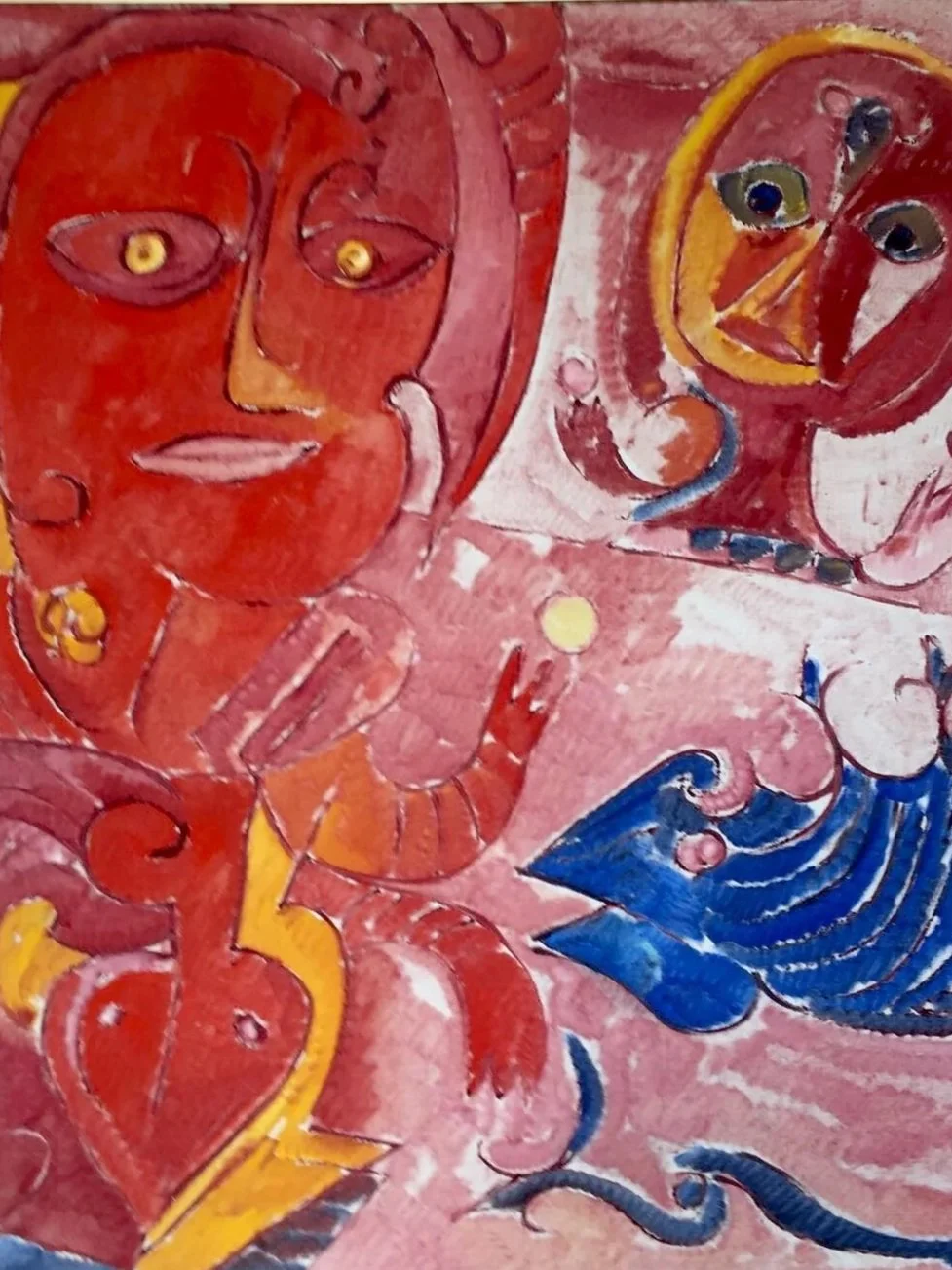
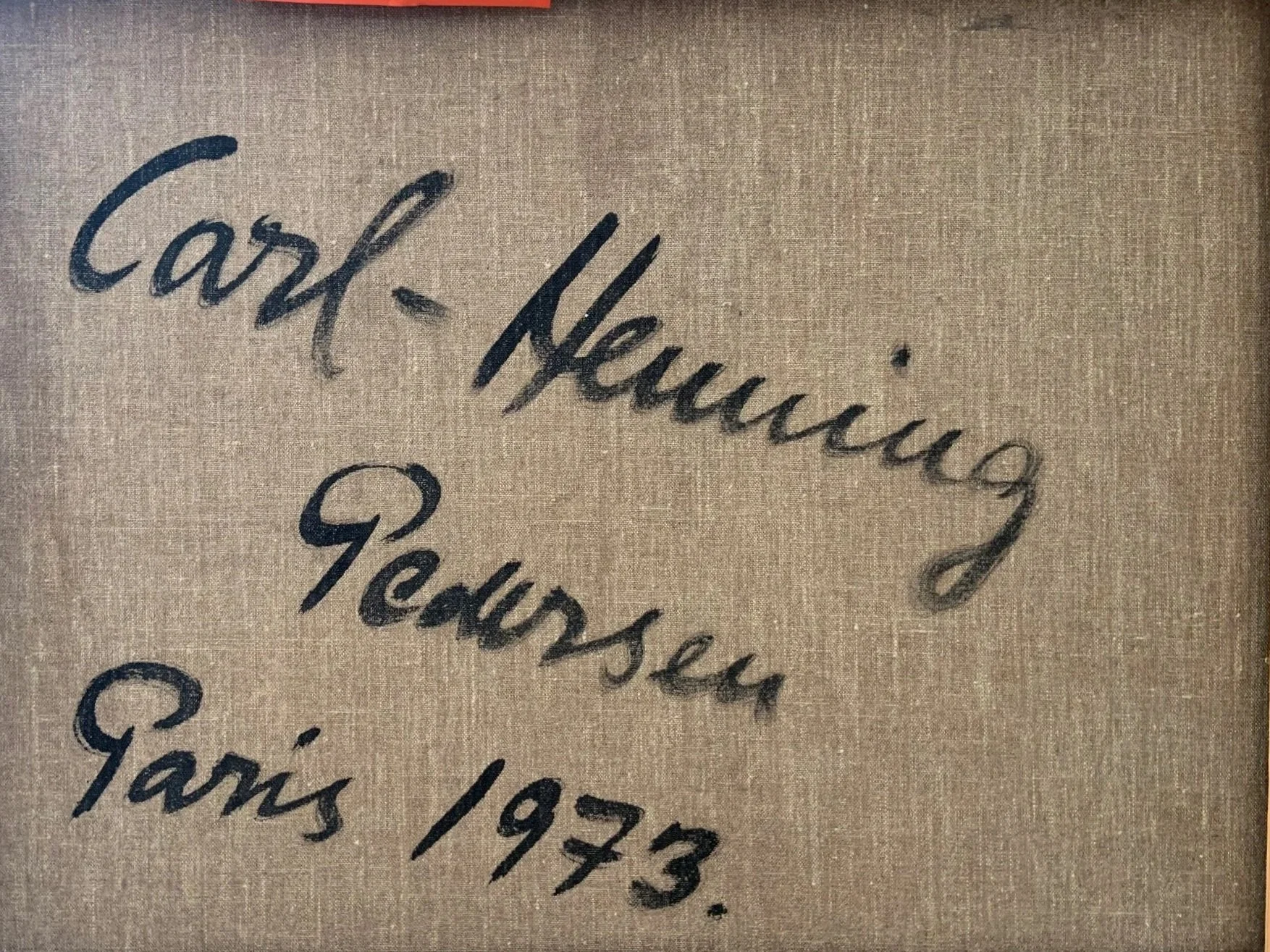
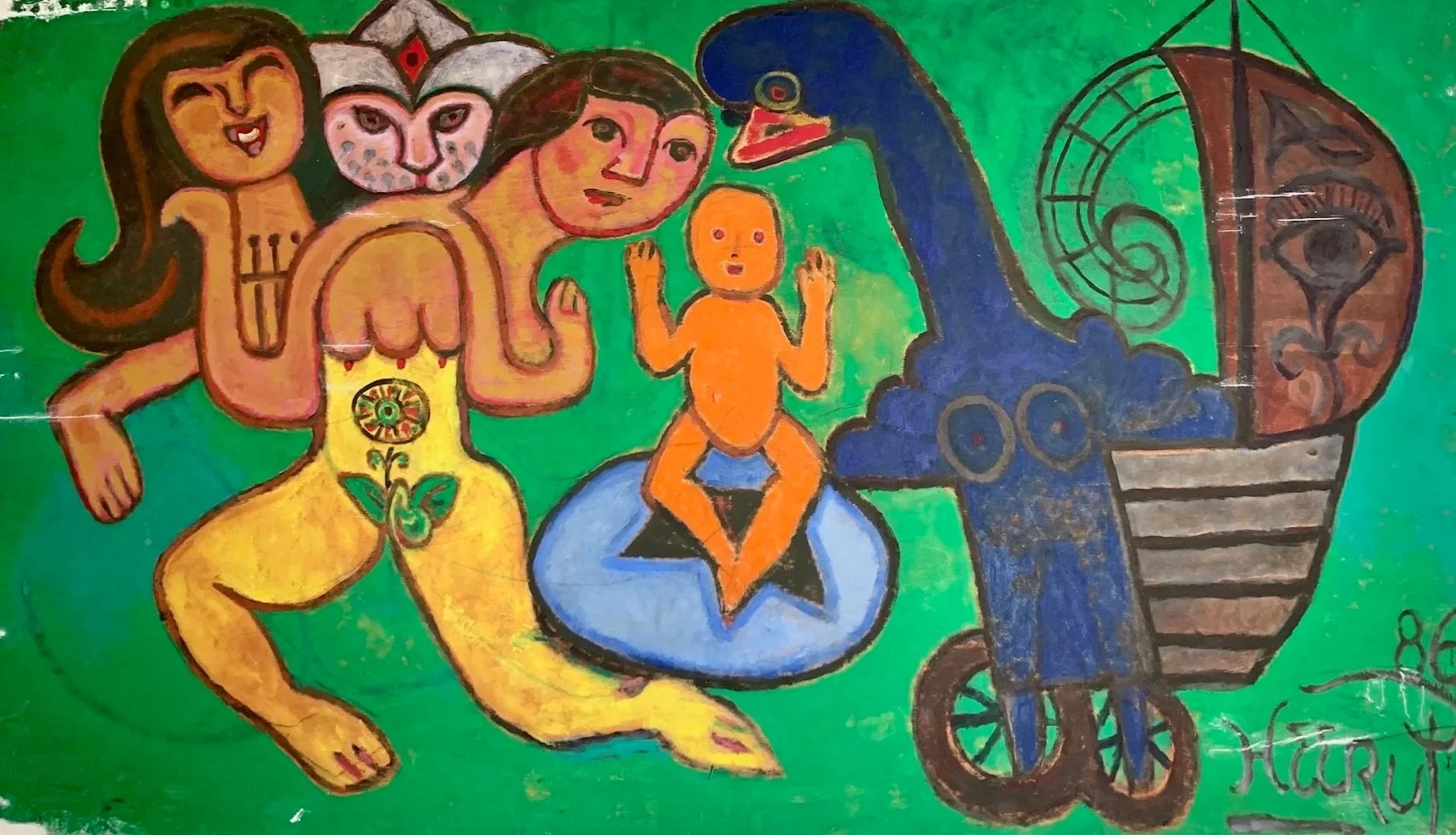
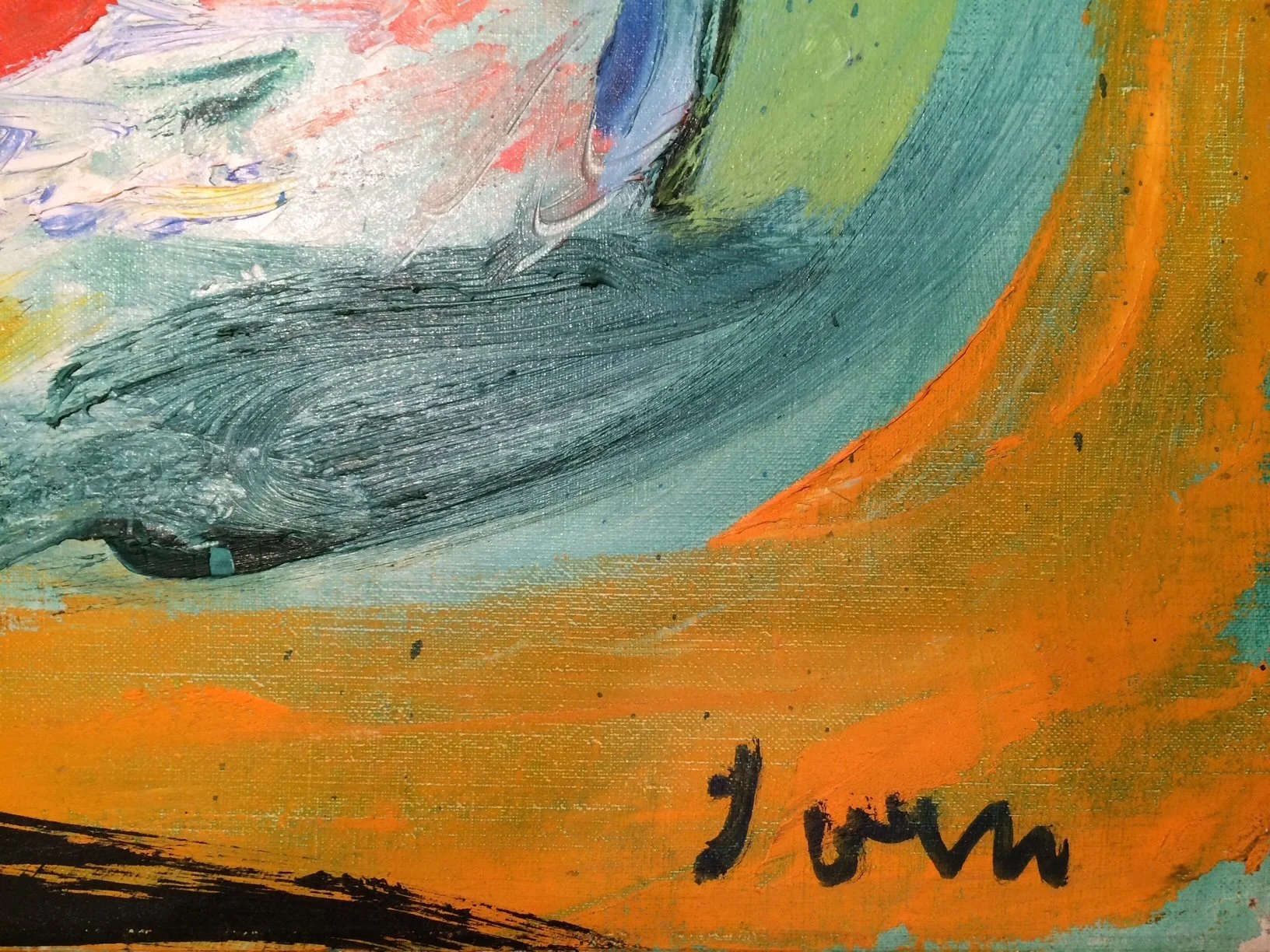
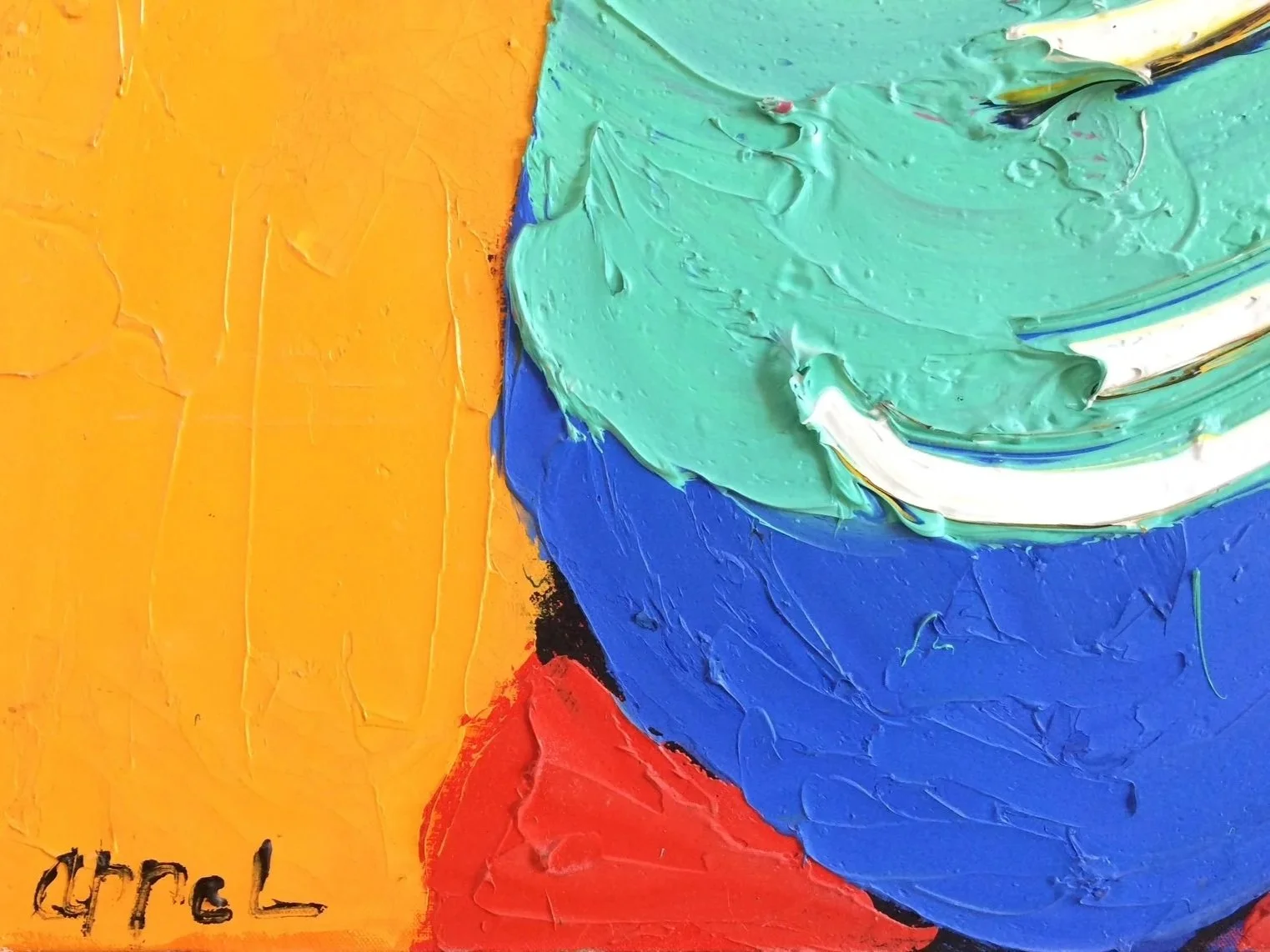
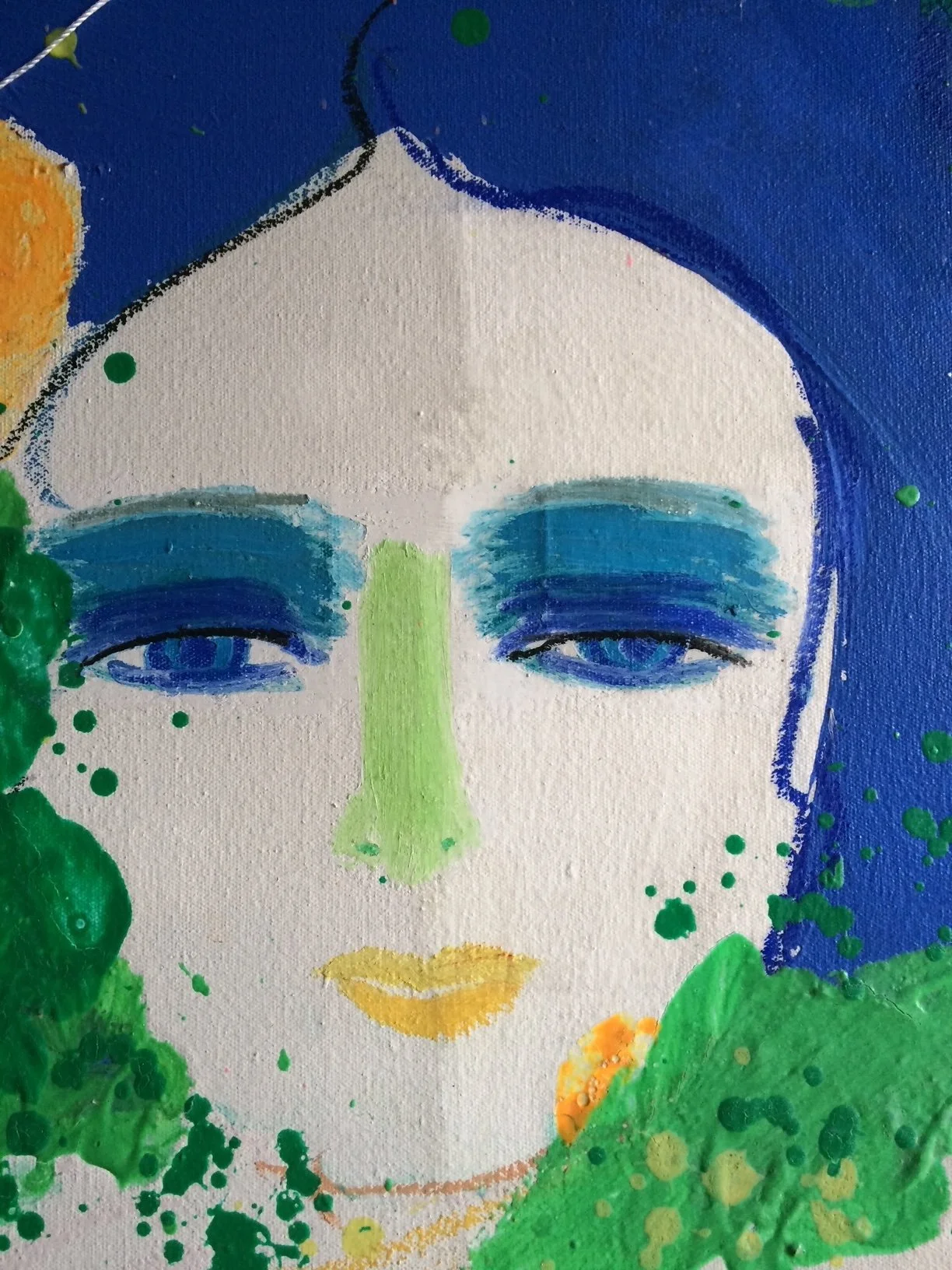
Walasse Ting, Carl-Henning Pedersen, Paul Fischer, Laurits Tuxen, Karel Appel, Asger Jorn, Hoppe, Bjørn Wiinblad, and Henning Heerup.
Restoration work includes:
Cleaning surface dirt
Removing old and yellowed varnish
Consolidating loose paint layers
Repairing damaged areas, e.g., holes, tears, and flattening bumps
Retouching missing paint
Stretching canvas, lining/supporting canvas
Examples include the restoration of paintings with holes, crackling, and surface dirt.
-
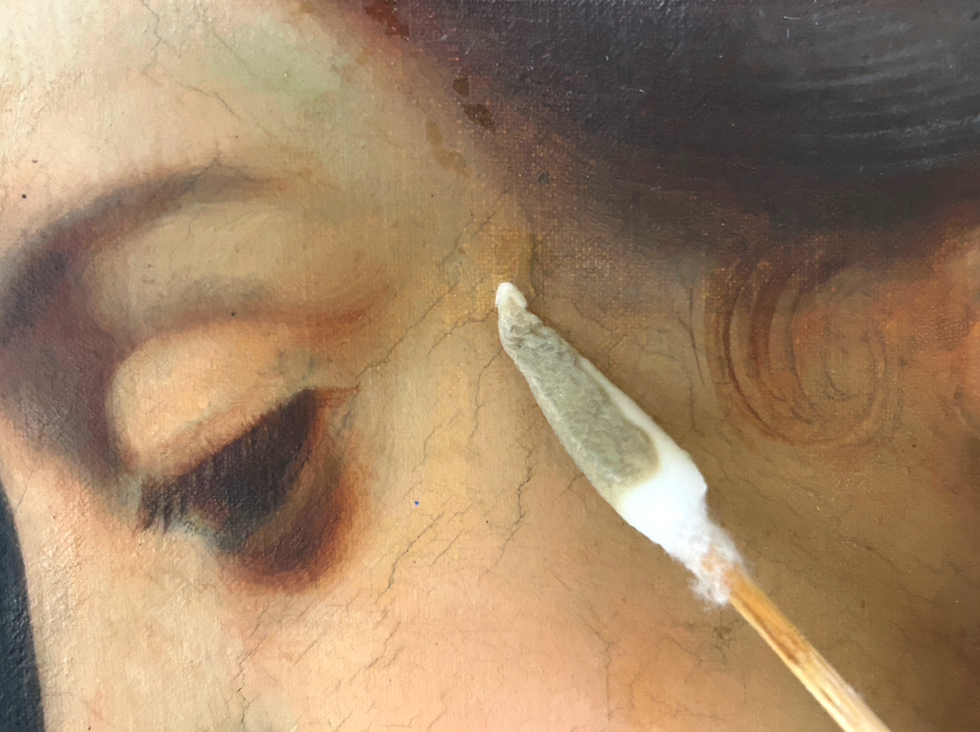
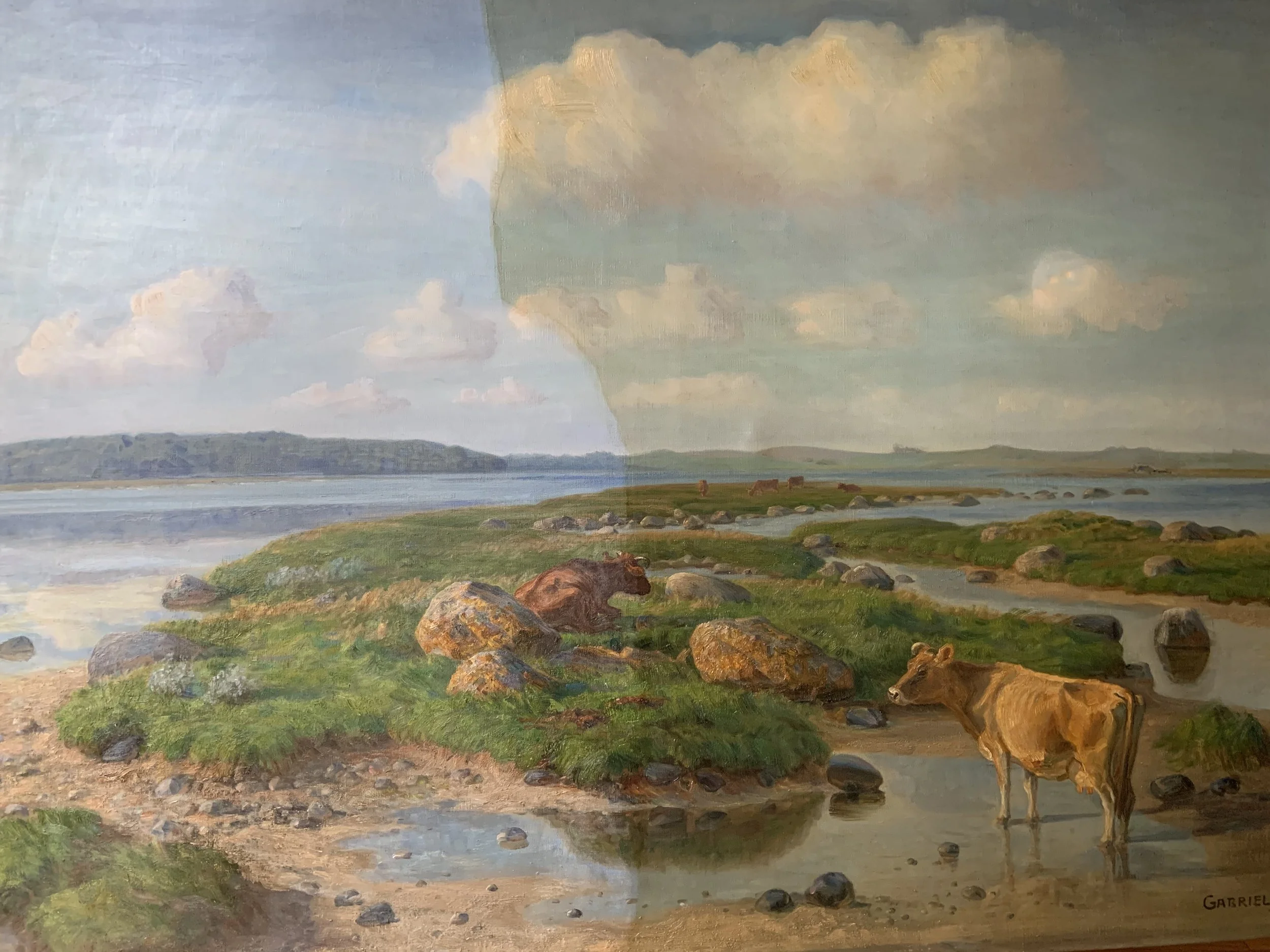
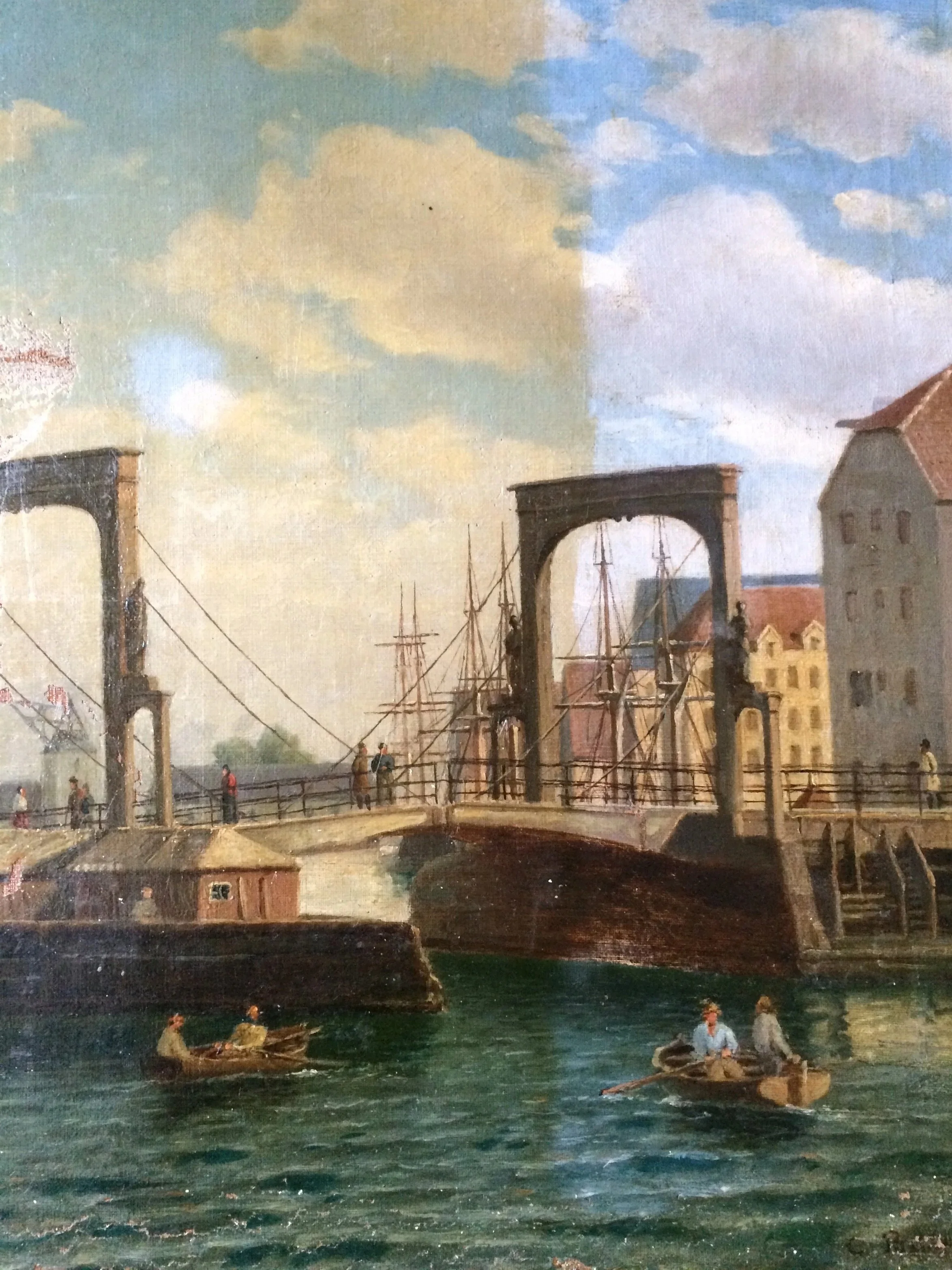
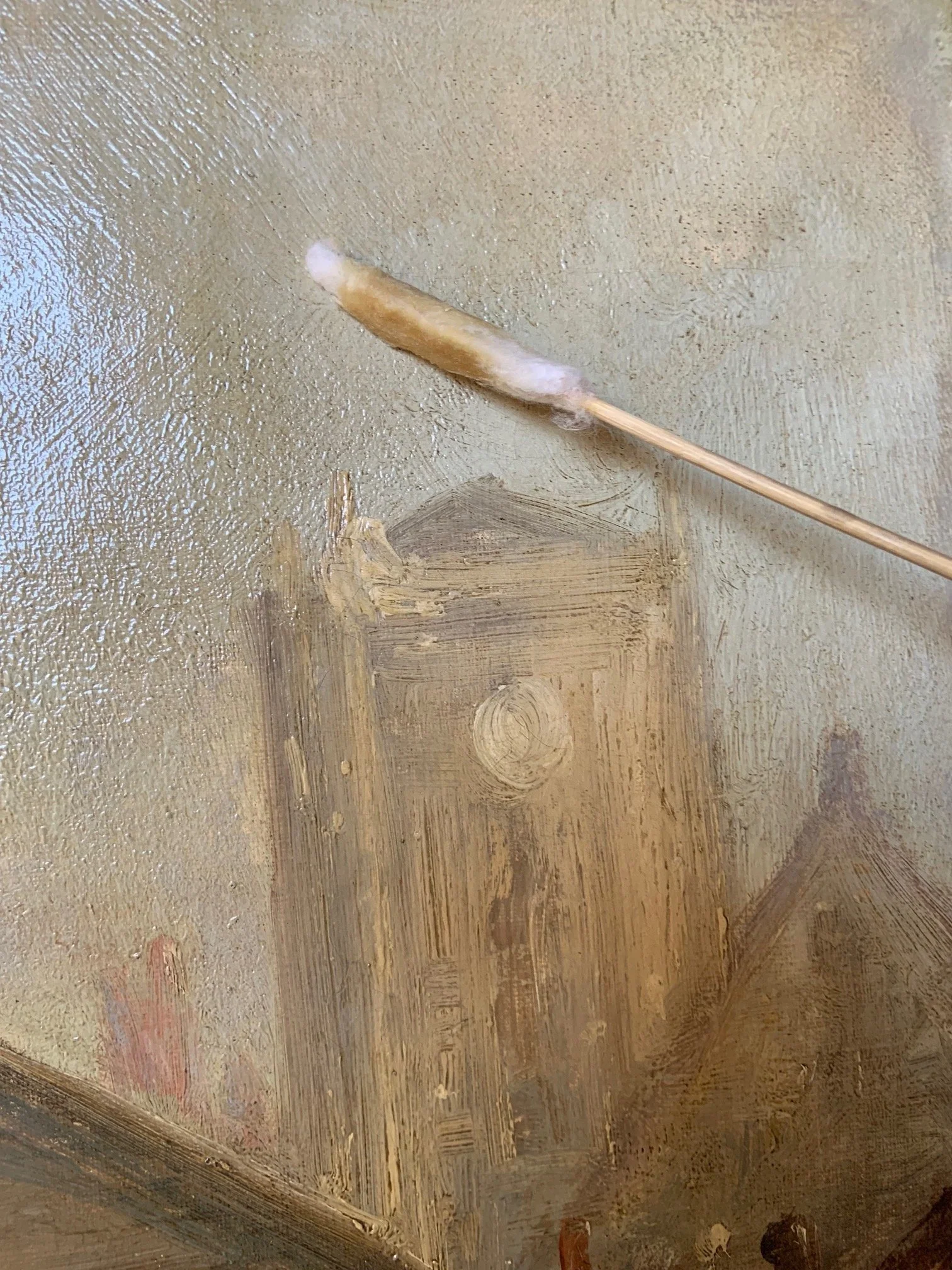
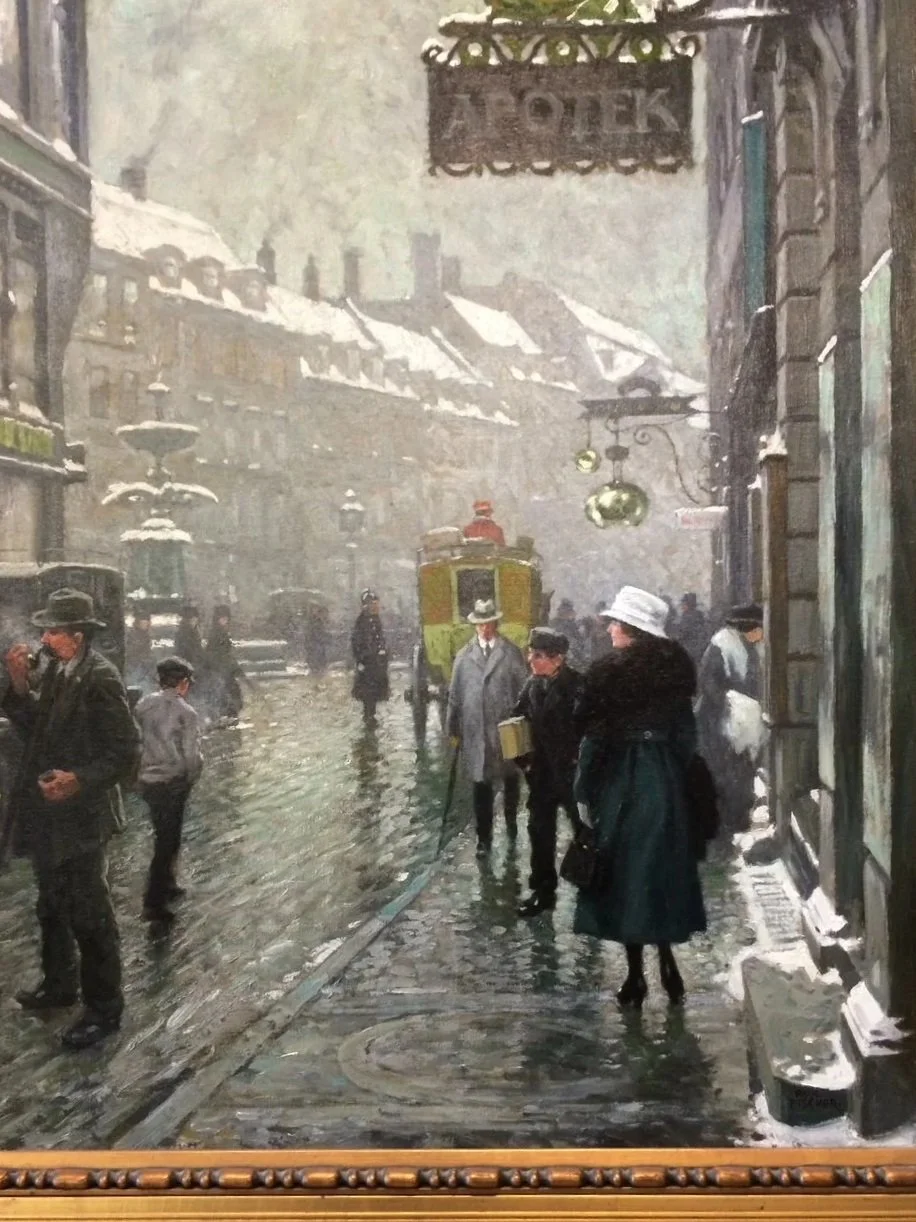
Cleaning paintings is an important part of the conservation process for artworks. Over time, paintings can accumulate surface dirt, dust, nicotine, or other pollutants that affect their original appearance and color.
Cleaning involves removing dirt, old varnish, and other impurities without damaging the original paint layer. This restores the painting’s clarity, color saturation, and details, while helping to prolong its lifespan. Cleaning paintings is best performed by an experienced conservator with expertise in art preservation.
Experience, technique, and the materials used ensure that the paintings are revived with a careful and skilled hand.
-
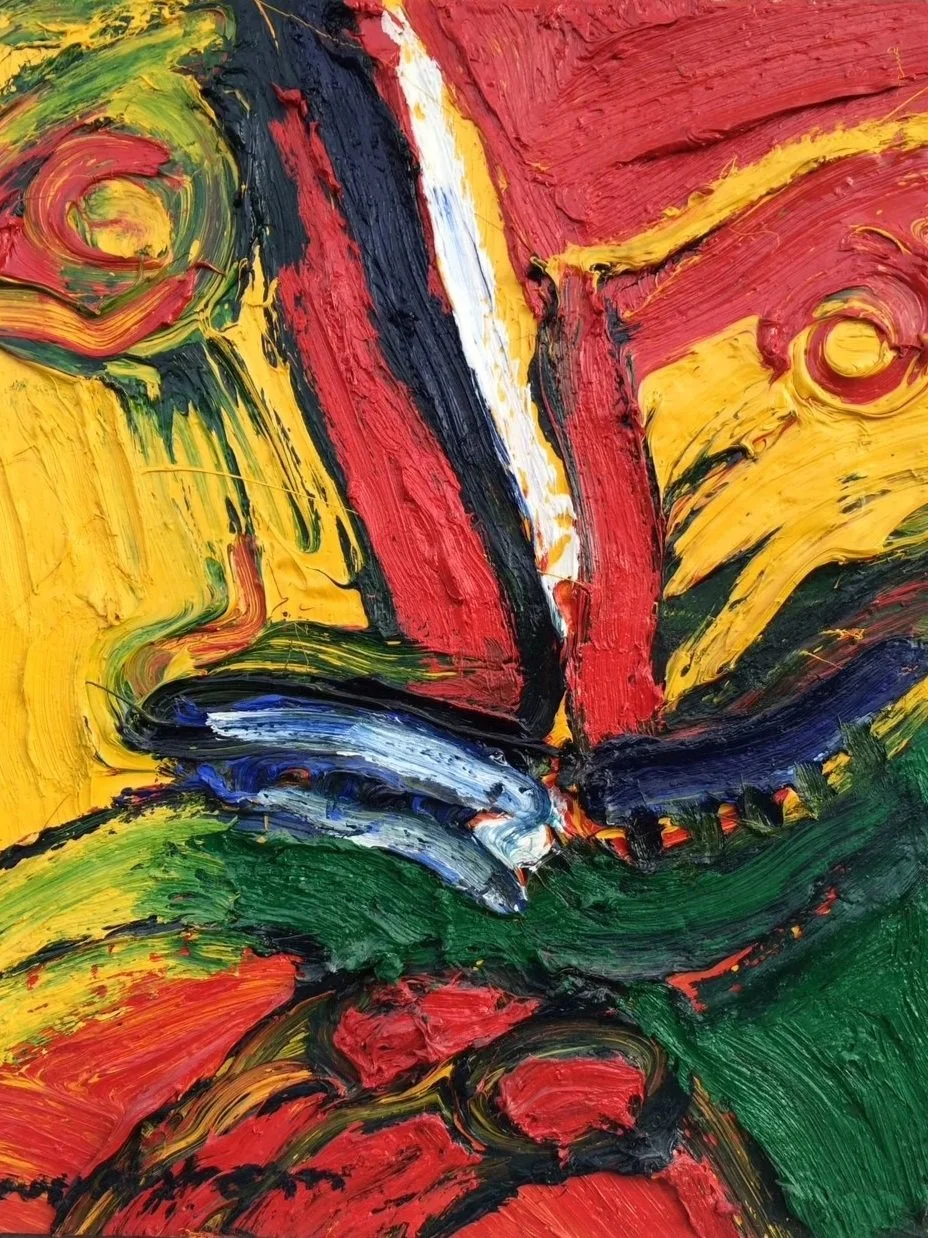
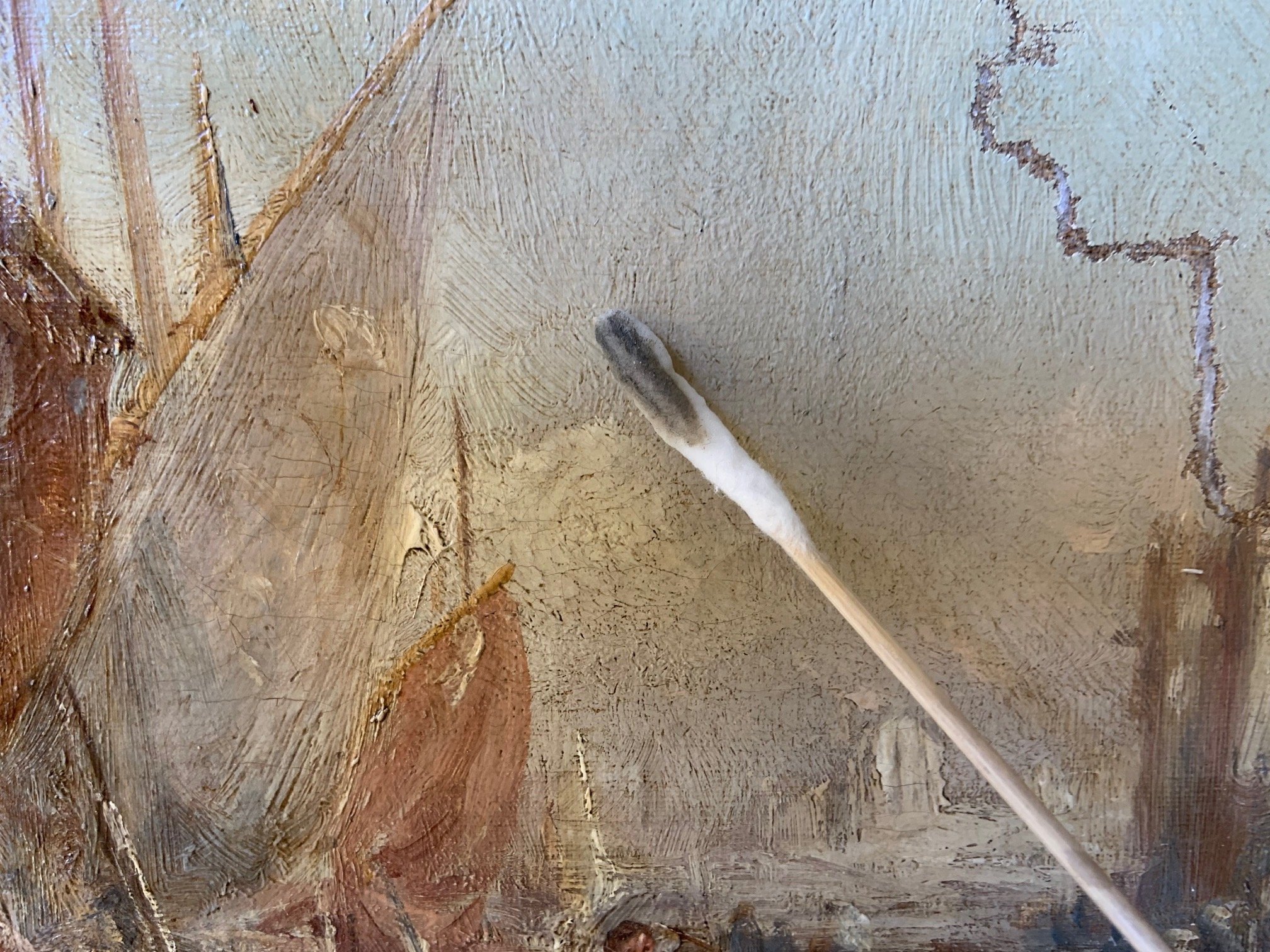
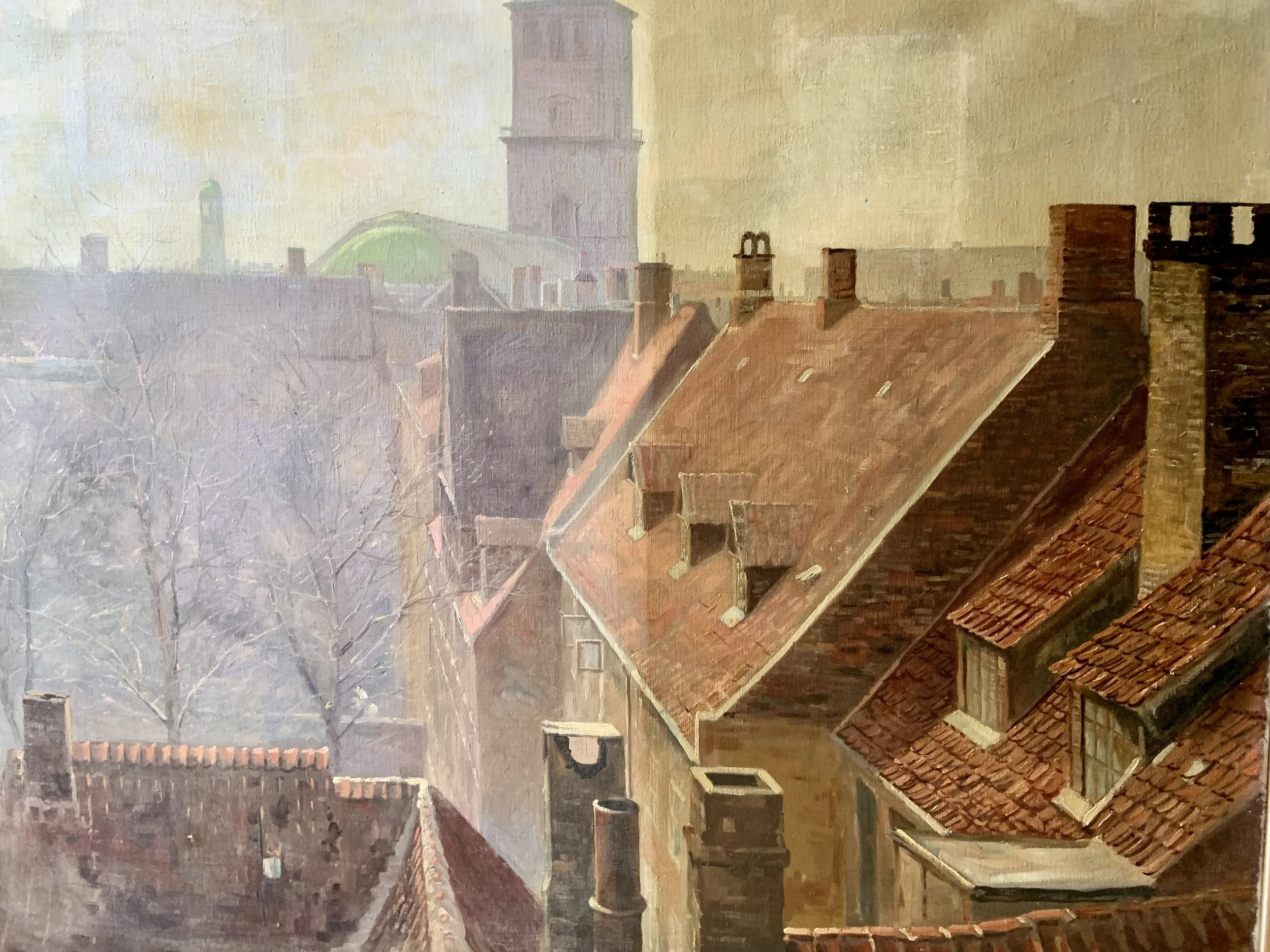
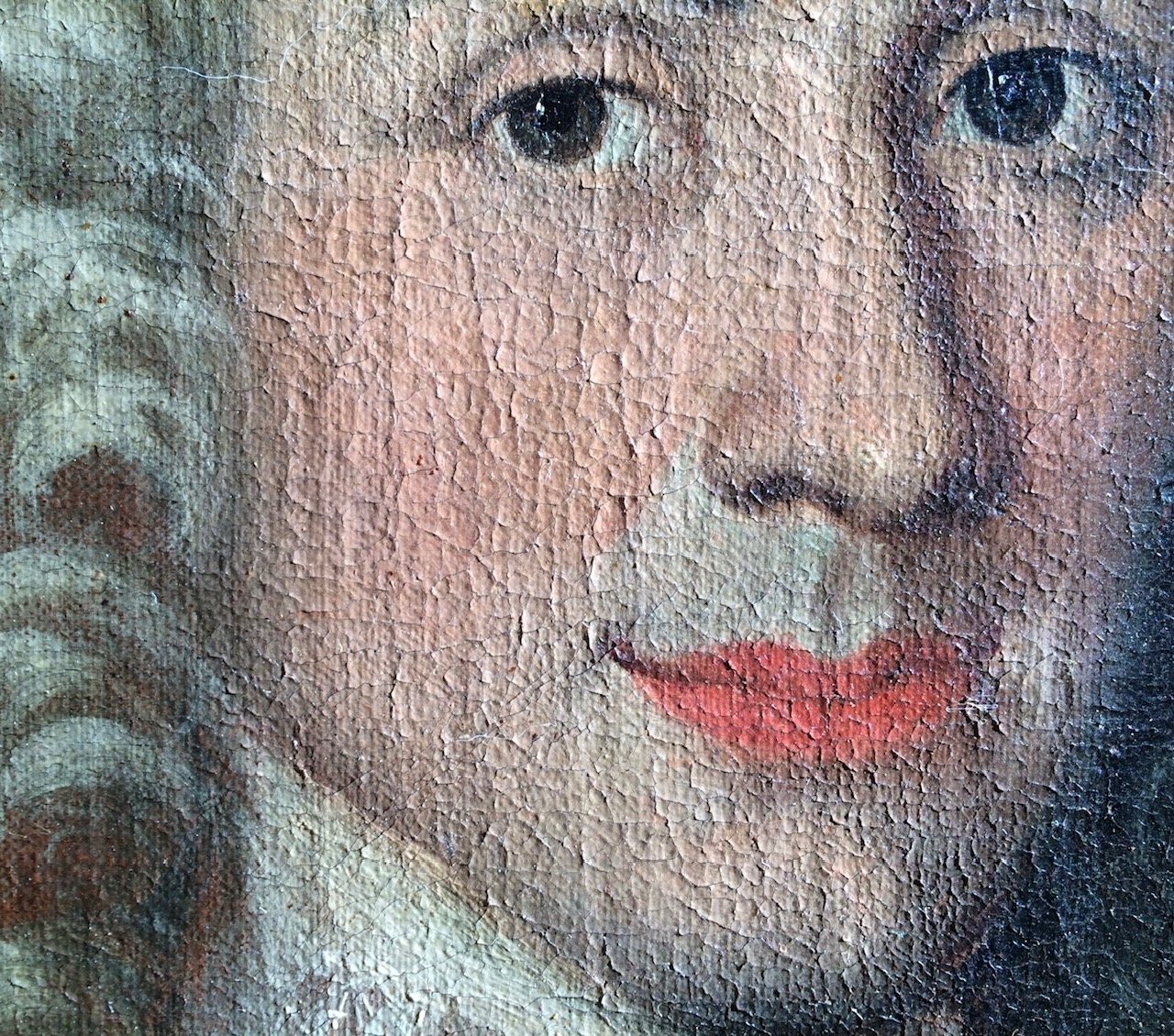
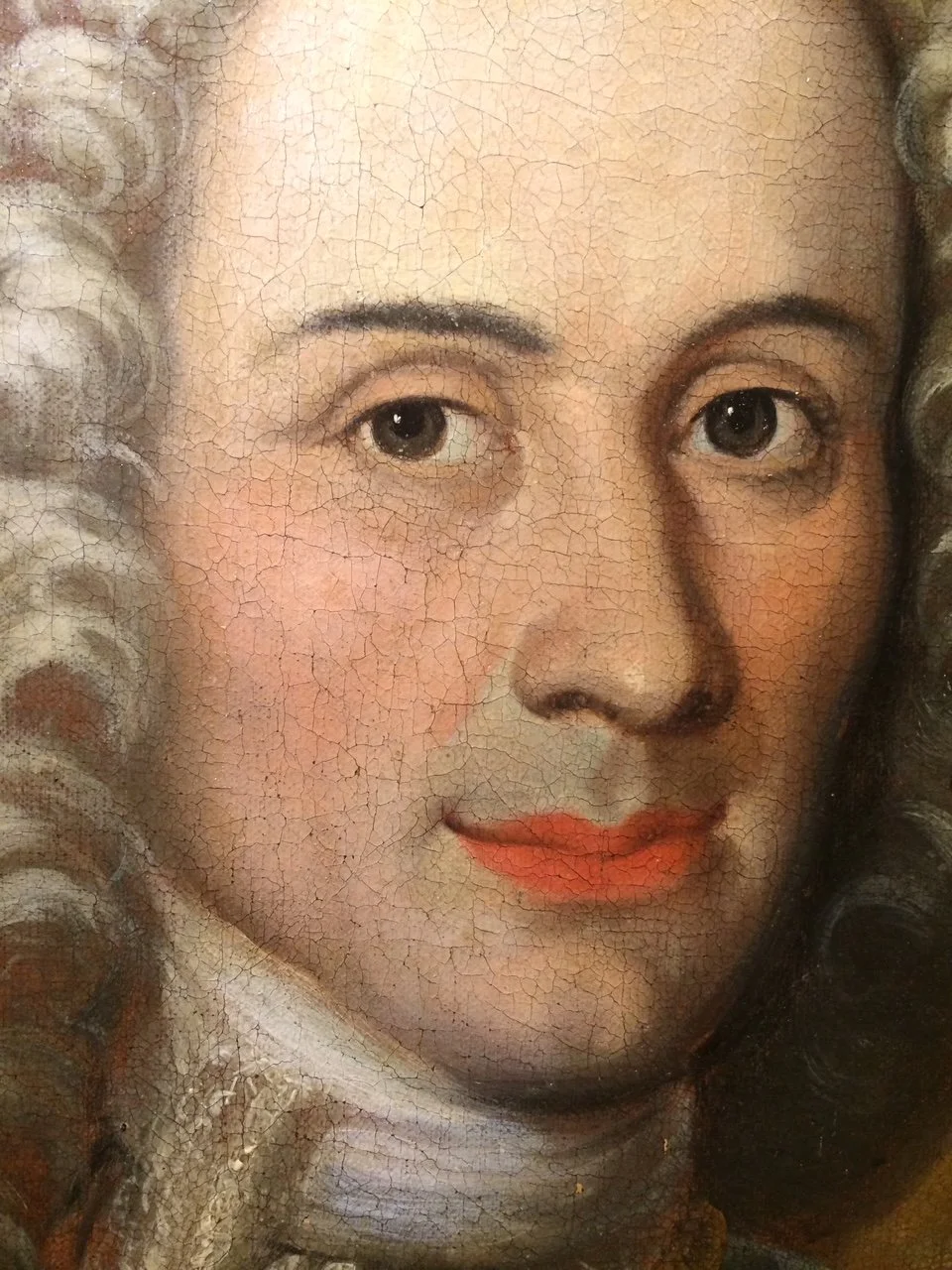
Crackling refers to the fine cracks or fissures that can appear on the surface of a painting over time. These cracks may be caused by various factors, including aging, climatic changes, or improper storage. Crackling can give a painting a unique aesthetic charm and contribute to its historical character. However, when the crackling becomes severe or leads to paint loss, restoration may be necessary to preserve and repair the painting’s surface.
Our experienced painting conservator can assess the extent of the crackling and apply appropriate techniques to consolidate the cracks and maintain the painting’s integrity. It is important to choose a suitable restoration method to ensure the artwork’s authenticity and aesthetics are preserved while protecting it from further damage.
-
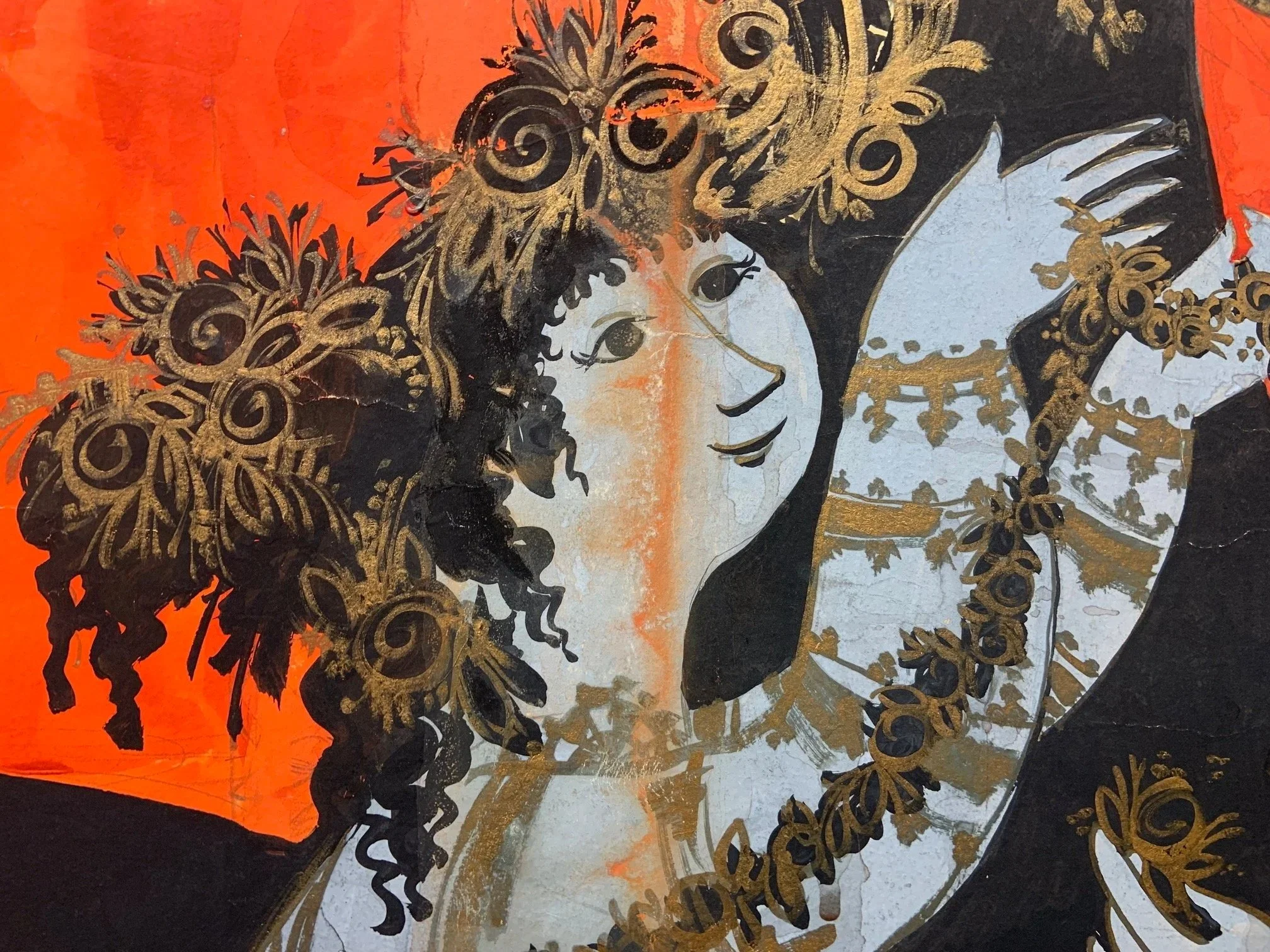
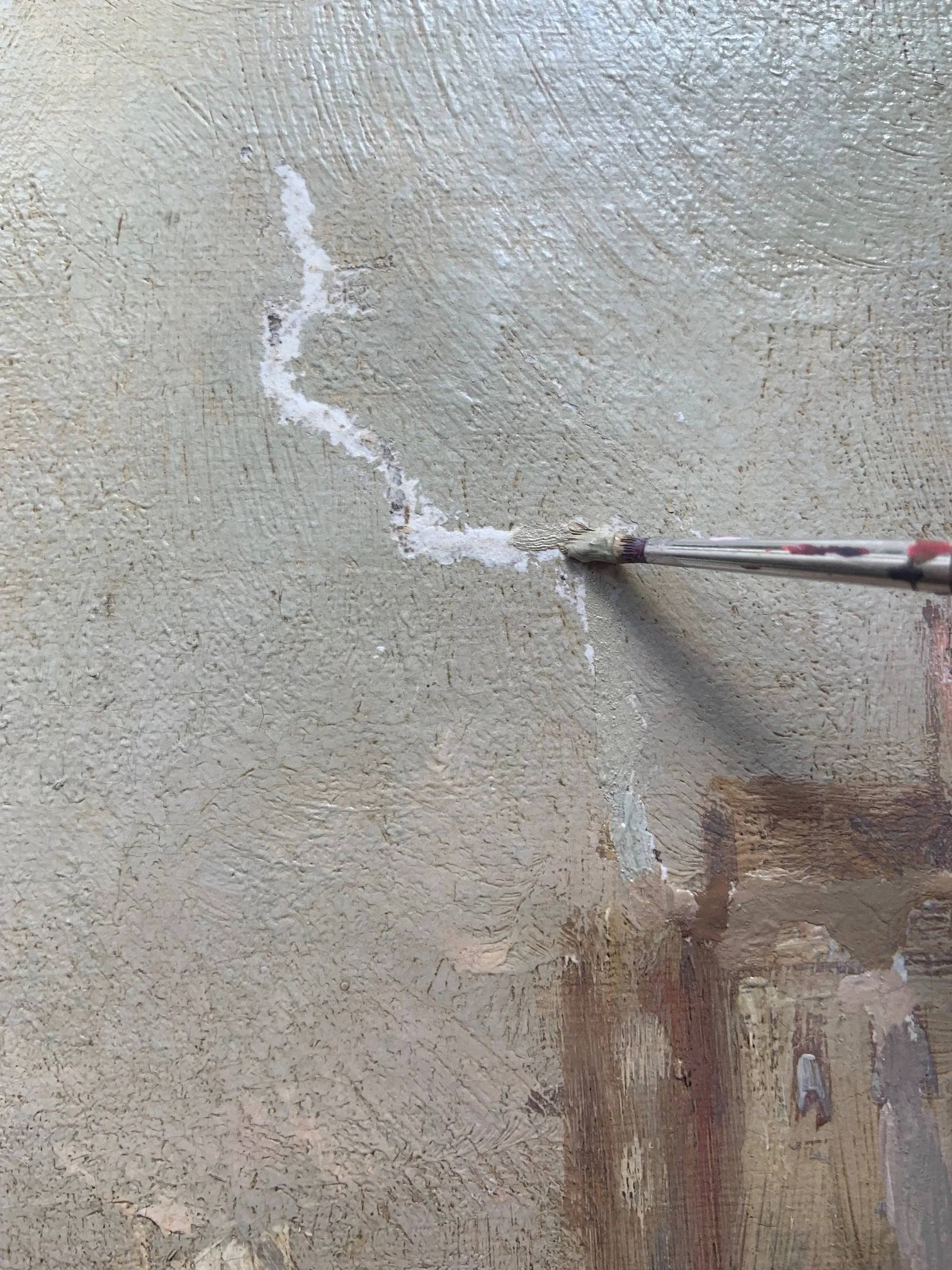
Retouching of paintings is a technique used to restore or enhance damaged or missing areas of a painting. Retouching may be necessary if the artwork has experienced paint loss, crackling, or other forms of damage over time. The goal of retouching is to restore the painting’s cohesion and aesthetic integrity by applying colors and techniques that match the surrounding areas.
A skilled painting conservator will use precise and careful methods to ensure that the retouching blends seamlessly into the painting and is not visible to the viewer. The process respects the original intention of the artwork, preserves its aesthetic value, and ensures its long-term preservation.
-
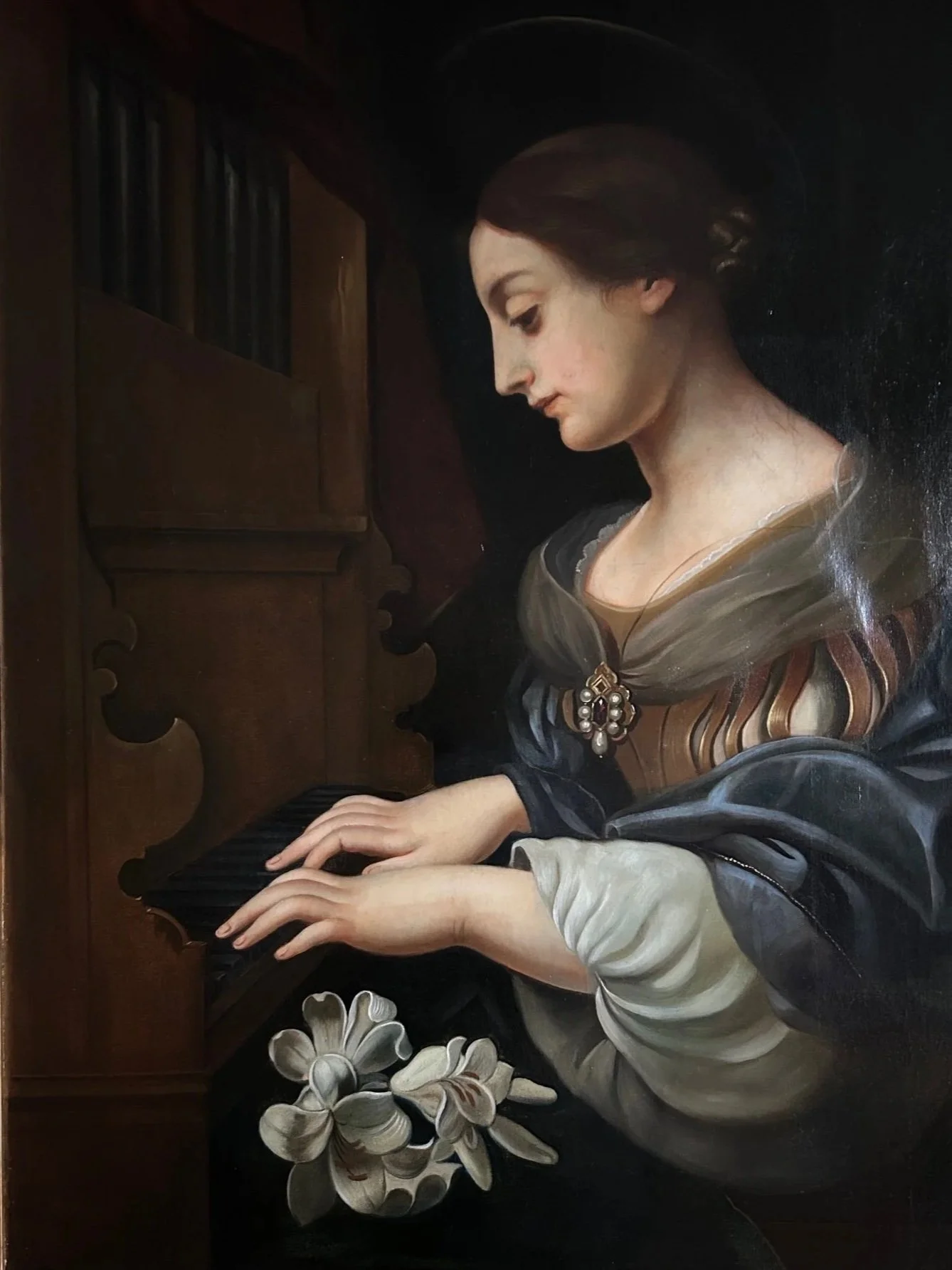
Repairing paintings is an important part of the restoration process. Holes can occur due to accidents, insect damage, or the passage of time. To preserve the painting’s integrity and aesthetic value, it is essential to carry out careful and precise repairs. An experienced painting conservator will assess the damage and the original technique of the artwork to determine the best approach for restoration.
The repair process typically involves fixing damage to the canvas, followed by retouching to match the surrounding colors and textures. The goal of the repair is to restore the painting’s completeness and ensure that the damage is no longer visible, while respecting the artwork’s original expression and aesthetic.
-
Contact me by phone: 60 46 87 08 for more information and a non-binding offer for your project.
Email: nata@natawatts.com
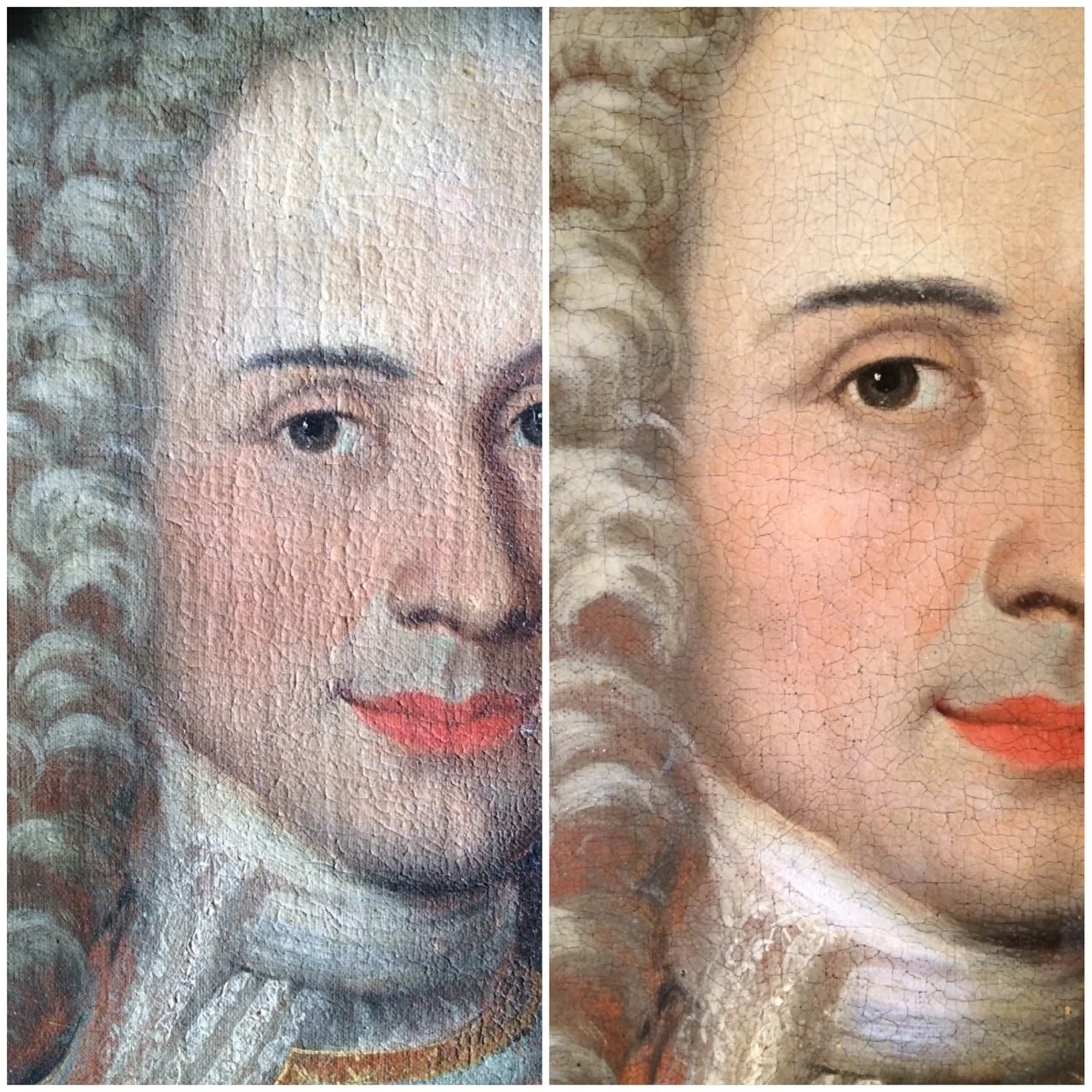
CRACKS
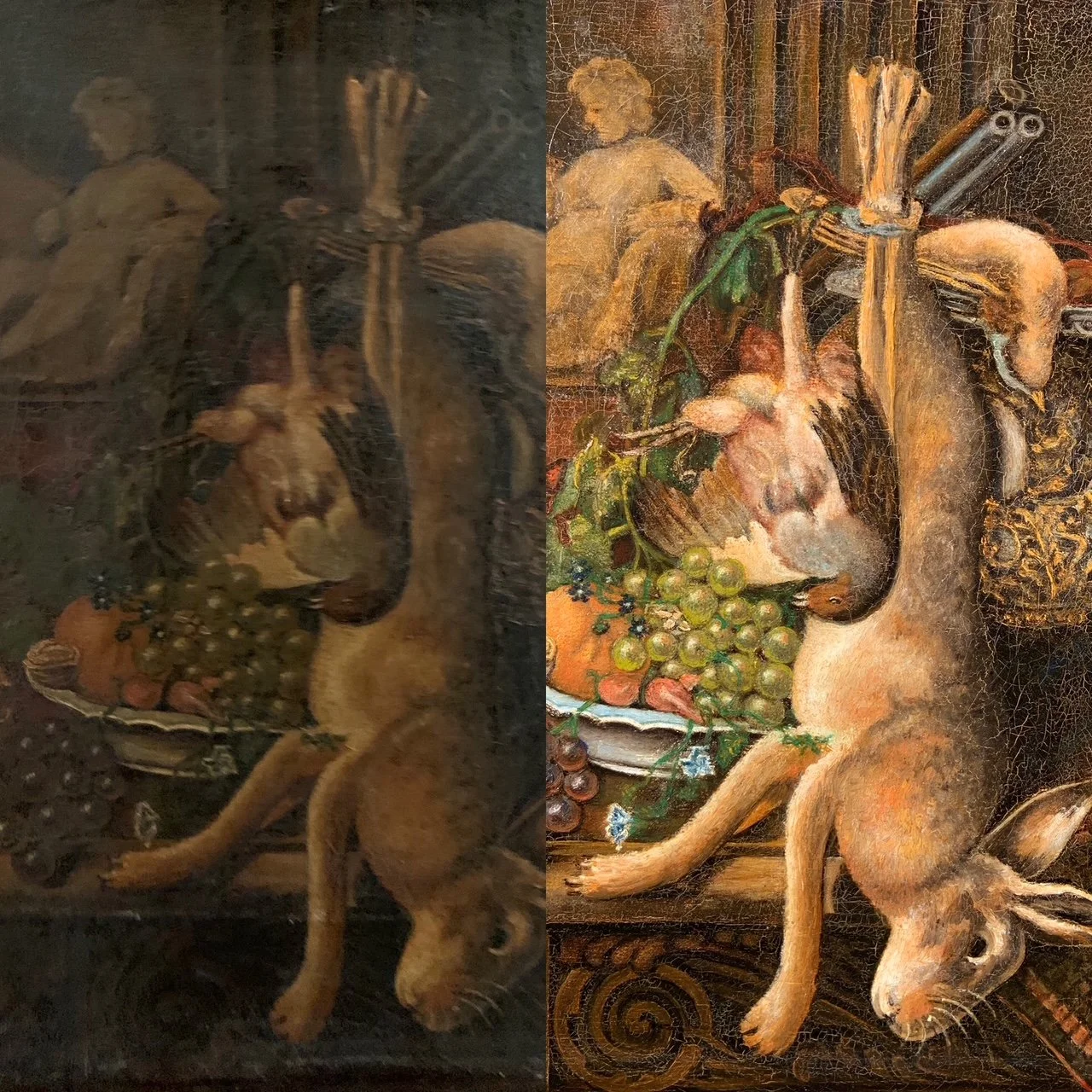
CLEANSE
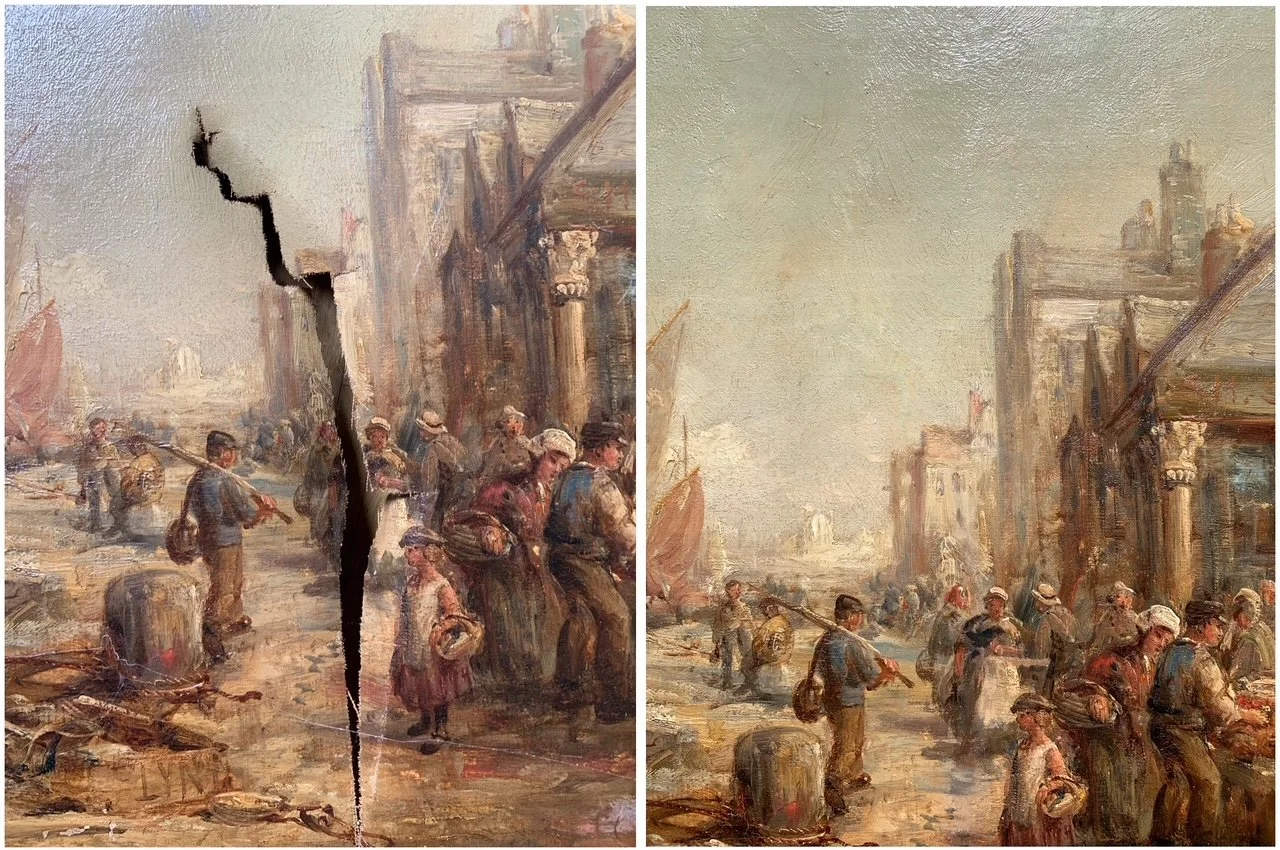
HOLES
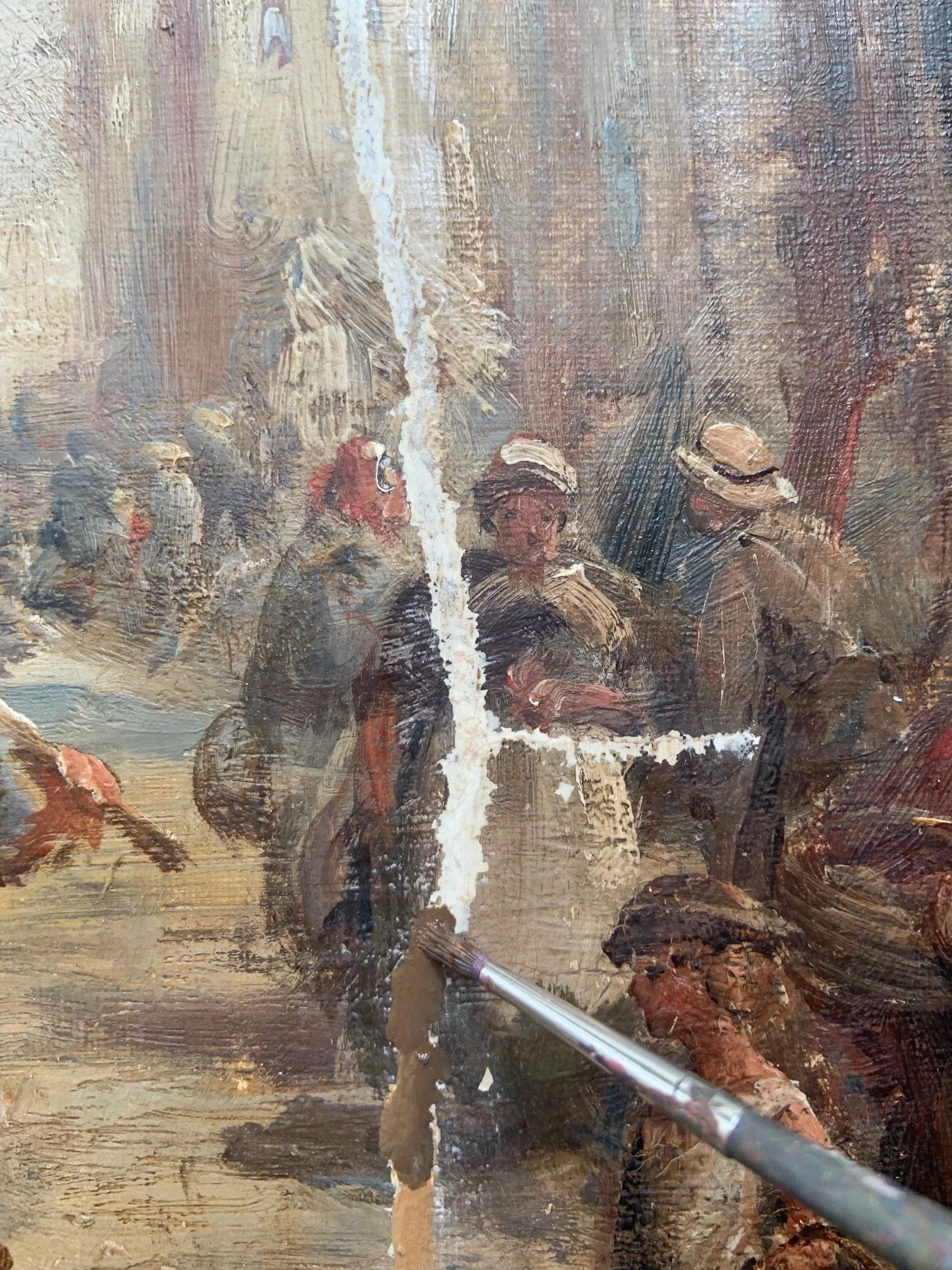
RETOUCH